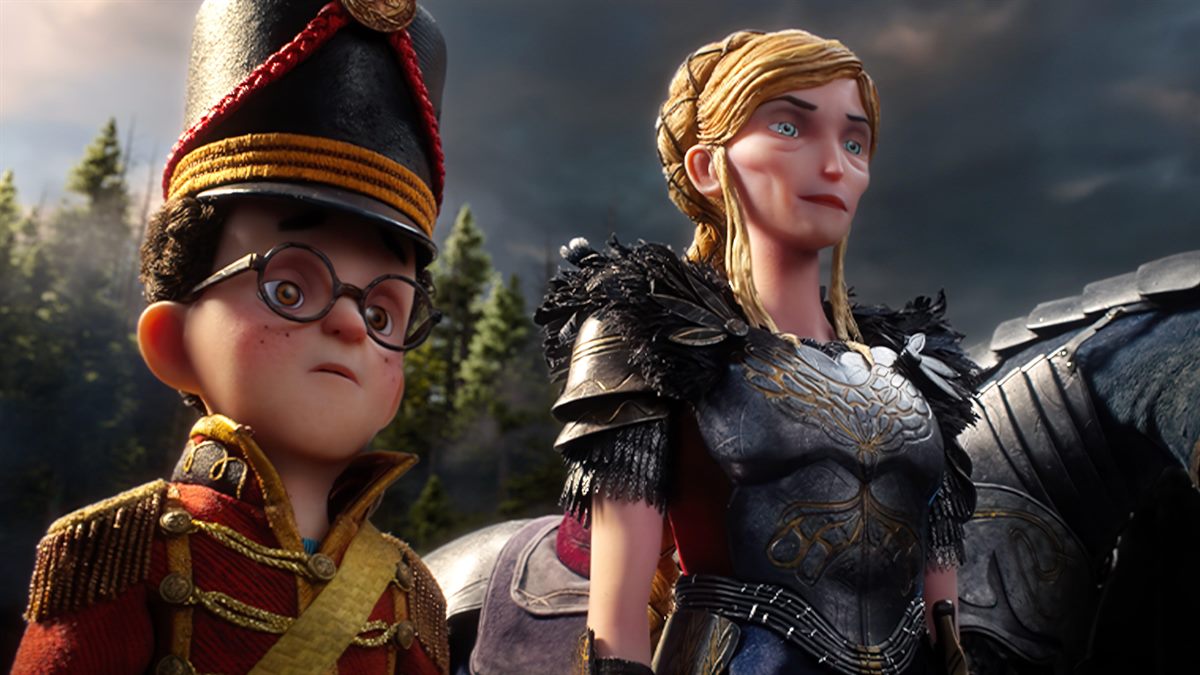
In an exclusive interview with FlickDirect's Allison Rose, Colin Meloy and Carson Ellis discuss Wildwood's unusual beginnings, LAIKA's interest before the book was finished, and the 16-year journey to the screen.
Before Wildwood became a novel and eventually a stop-motion animated film from LAIKA, it was simply an idea that author Colin Meloy and illustrator Carson Ellis wanted to explore together. The two were living in Portland, working service industry jobs, and spending their weekends finding ways to collaborate.
I recently spoke with Meloy and Ellis about where the story came from, how LAIKA became involved, and what it was like to finally see their work brought to the screen.
"It really began in the early aughts when Carson and I were fresh out of college living in Portland, working service industry jobs," Meloy explained.
The two enjoyed making things together, whether it involved music, writing, or art. Eventually, they decided to try writing and illustrating a novel.
"We had this idea, well, let's write a novel. Let's write, make a story," Meloy recalled.
Meloy would write, and Ellis would illustrate. They got about 80 pages into the project, although what they created wasn't exactly children's literature.
"It's totally inappropriate for children, even more so than Wildwood," Meloy said.
At the time, they were simply enjoying the opportunity to create something together. Eventually, their other careers took off. Meloy became busy with his band, The Decemberists, while Ellis continued her work as an illustrator and author.
The unfinished manuscript was set aside until around 2009, when they decided to take another look.
"We showed it to our agent who was like, no, this will never get published," Meloy recalled.
They had another idea developing, however, and began incorporating some of the stronger elements from that original manuscript into a different story. That project eventually became Wildwood.
When I asked about LAIKA's initial interest in adapting the novel, Meloy and Ellis explained that the timing made them nervous.
There was a lot of trepidation when they first contacted us.
They had found a publisher based on roughly a third of the manuscript, an outline, and a handful of illustrations. The book wasn't even finished when conversations with LAIKA began.
The two were still focused on creating the story and weren't particularly interested in thinking about a movie adaptation before the novel had been published.
"We were very much in the world of making it and not wanting to think of it as a film adaptation so soon," they explained.
They also worried that a movie might overshadow the book before it had a chance to establish itself with readers.
Still, LAIKA seemed like a good fit. The studio was based in Portland, where Meloy and Ellis lived, and both were fans of stop-motion animation. What initially made them nervous began to look like an opportunity for an interesting collaboration.
The shared connection to Portland and their appreciation for stop-motion helped them develop what they described as a special relationship with LAIKA.
When they expressed concern about how quickly a film might follow the book, director Travis Knight offered some reassurance.
As they recalled, Knight told them not to worry because the book would be out in the world for a long time before the movie was made.
He turned out to be right. The creators said it was approximately 16 years before the film was completed.
When I asked how they felt about finally seeing the finished movie, their response was immediate.
"It's phenomenal," came the first response.
"Yeah, it's incredible," the other agreed.
Considering their initial hesitation about LAIKA's involvement, it was good to hear how pleased they were with the finished film.
I really enjoyed the story and loved what LAIKA did with it, too. It was a pleasure speaking with Meloy and Ellis about how Wildwood began and the long road it took to reach the screen.
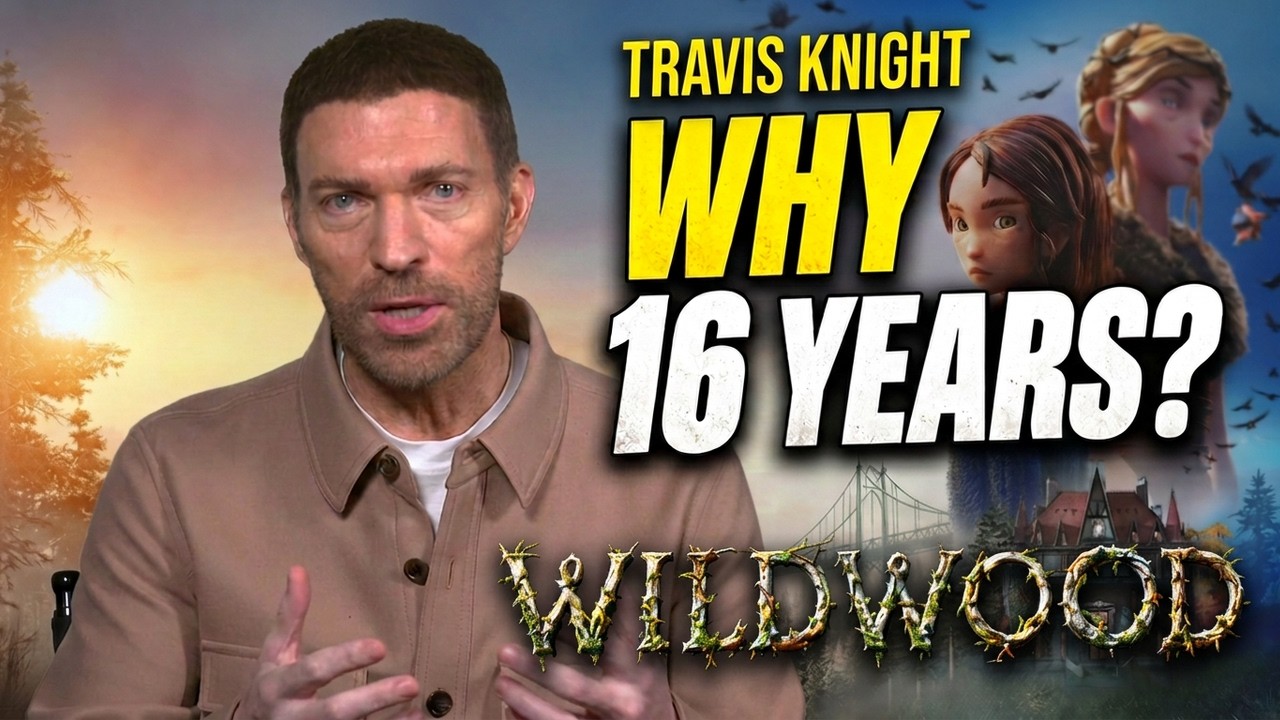
For another perspective on the film's lengthy development, watch my exclusive interview with LAIKA director Travis Knight, where he discusses why Wildwood took 16 years to make and the challenges of stop-motion animation.
ABOUT THE INTERVIEWER