Cary-Hiroyuki Tagawa, the magnetic Japanese American performer who starred in films from "The Last Emperor" to "Mortal Kombat" and series such as "The Man in the High Castle", has died at 75. Tagawa passed away in Santa Barbara, surrounded by family, after complications from a stroke, his longtime manager Margie Weiner confirmed Thursday.
"Cary was a rare soul - generous, thoughtful, and endlessly committed to his craft," Weiner said in a statement. "His loss is immeasurable. My heart is with his family, friends, and all who loved him."
Born in Tokyo and raised amid postings in the American South while his father served in the U.S. Army, he spent years working as everything from a celery farmer to a limo driver before committing to acting at 36. Earning an early breakthrough in Bernardo Bertolucci's 1987 Oscar-winning epic "The Last Emperor". The part opened the door to steady work across film and television and launched a career that would span nearly four decades and more than 150 screen credits.
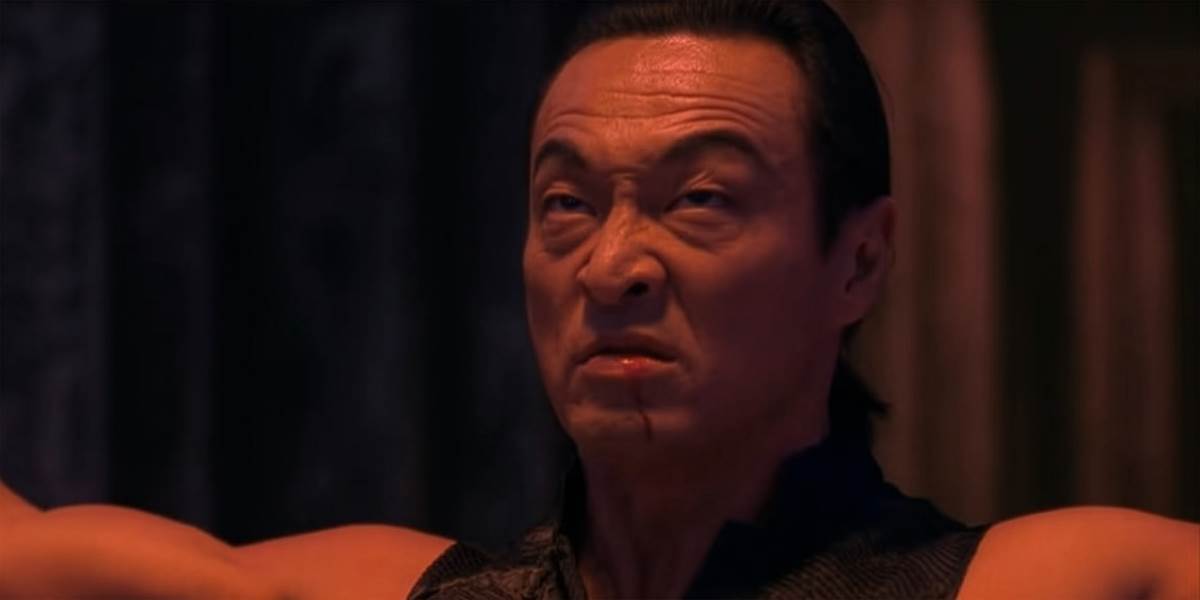
To audiences around the world, Tagawa will forever be linked to Shang Tsung, the shape-shifting sorcerer he portrayed with terrifying composure in "Mortal Kombat" (1995) and "Mortal Kombat: Annihilation" (1997). He returned to the role over the years in series, animated formats, and video games, most recently lending his voice and likeness to "Mortal Kombat 11" in 2019 and "Mortal Kombat: Onslaught" in 2023.
"It was perfect timing. Mortal Kombat was exploding as a video game, and the movie amplified everything that fans loved," said Tagawa. He credited director Paul W.S. Anderson's high-energy musical approach with helping redefine martial-arts storytelling for a younger generation. The film would go on to earn more than $100 million worldwide.
Tagawa became a go-to performer for complex roles situated between Asian and Western cultures. His filmography includes "License to Kill", "Rising Sun", "Snow Falling on Cedars", "Pearl Harbor", "Planet of the Apes", "Elektra", "Memoirs of a Geisha", and" 47 Ronin", among others.
Trained in Kendo as a student and later in traditional karate at USC and under Japan Karate Association master instructors, Tagawa eventually moved away from competitive martial arts. He developed his own system, which he called Ninjah Sportz, emphasizing movement, energy, and recovery rather than combat. He worked with professional athletes, including boxing champion Brian Viloria, and supported training programs for University of Hawaii football players.
Tagawa's first film appearance was a small uncredited role in John Carpenter's "Big Trouble in Little China" (1986), a cult classic that foreshadowed the eclectic path his career would take. By the late '80s and '90s, he was routinely working with major directors, Tim Burton, Michael Bay, Rob Marshall, John Carpenter, Ivan Reitman, and Philip Kaufman, among them.
Tagawa also had a television career. He held recurring roles on "Nash Bridges", "Hawaii", and "Revenge"; guest-starred on "Star Trek: The Next Generation", "MacGyver", and "Miami Vice". Most recently, he voiced the Swordmaker in Netflix's acclaimed animated series "Blue Eye Samurai".
One of his most celebrated performances came late in his career with Amazon's "The Man in the High Castle", where he portrayed Trade Minister Nobusuke Tagomi. The character, torn between duty, conscience, and cultural identity, resonated deeply with the actor.
"I identified so much with this character," he said. "Growing up between Japan and America, and growing up with the legacy of the war - it shaped everything. Tagomi's search for peace felt familiar."
Tagawa lived for many years on the island of Kauai, where he and his wife, Sally, raised their children. In 2008, he pleaded guilty to a petty misdemeanor harassment charge involving a girlfriend; his attorney noted at the time that Tagawa accepted full responsibility.
Cary-Hiroyuki Tagawa is survived by his children Calen, Brynne, and Cana, and by his grandchildren River and Thea Clayton.
Tags: cary-hiroyuki tagawa, mortal kombat, the man in the high castle, r.i.p.