Tarantino’s extended revenge epic delivers excess in every direction
One thing I’ve pretty much always known is that Quentin Tarantino (Pulp Fiction) is psychotic. Even from his earliest films, like Reservoir Dogs and Natural Born Killers, it was clear he was a resident of the “Stephen King-dom” land of horror stories. From blood and gore to the twisted stories he conjured up, there always seemed to be something “off” about him. A perfect example of his unusual mind was the two-part horror film Kill Bill Vol. 1 and Kill Bill Vol. 2.
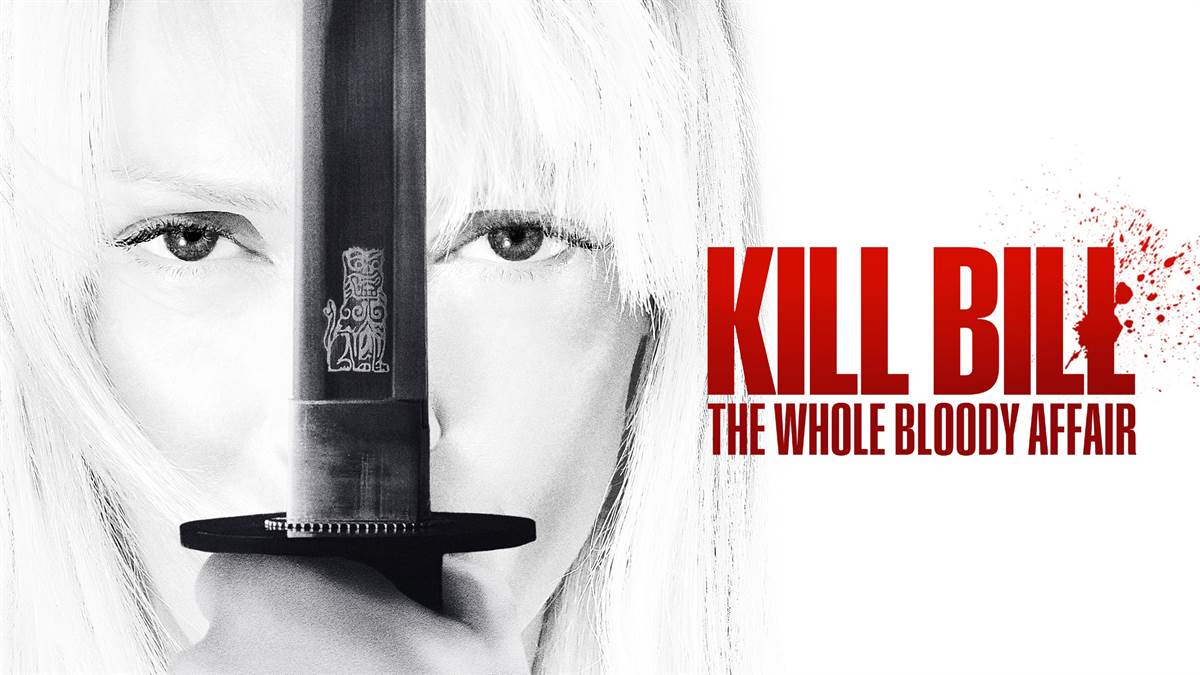
Originally released in 2003 and 2004, they showcased the lengths someone would go through to get revenge. This year, a four and a half hour version of the two films has been released and includes not only some changes to the original movies but also The Lost Chapter: Yuki’s Revenge, which was created completely in Fortnite.
The story follows The Bride/Beatrix/Black Mamba (Uma Thurman; Pulp Fiction), who wakes after being in a coma for 4 years and seeks revenge on those who killed her fiancé, her friends, and left her for dead in a small chapel in Texas while she was pregnant. Throughout the next 4 hours, we learn who Bill (David Carradine; Bound for Glory) is to Beatrix and watch as she kills The Deadly Vipers, the Yakuza fighters, and the Crazy 88. She tracks Bill to his home in Mexico only to discover a secret she she never knew.
Tarantino put together a truly memorable cast for this story, beginning with Thurman. She plays Beatrix as a no-nonsense, hard-as-nails assassin who shows no mercy for her enemies. Carradine, conversely, seems to be sympathetic but really isn’t, as he shoots Beatrix as she reveals he is the father of her baby. Vivica A. Fox (Independence Day), Daryl Hannah (Splash), Lucy Liu (Charlie’s Angels), and Michael Marsden (The Hateful Eight) portray the Deadly Vipers whom Beatrix eliminates one by one.
Kill Bill: The Whole Bloody Affair has a few changes from the original films, though I’m not sure most of the changes were necessary. Besides alternate shots and takes, other changes include the Origin of O-Ren anime sequence now includes several additional minutes showing the character killing Pretty Riki in an elevator as revenge for the death of her parents. Also, the House of Blue Leaves fight scene is now in full color, though I think I prefer the black-and-white version, which was originally included to avoid an NC-17 rating in the United States. Finally, the cliffhanger at the end of Volume 1 and the black-and-white recap at the beginning of Volume 2, also omitted.
The story itself has some great moments, and Tarantino brought them to life through his storytelling and his cast. However, there is so much fighting and blood that it all becomes drawn out and overabundant. Horror and action fans will indeed find much to like about the combined movies, but Tarantino could have cut out at least a third of the story simply by leaving parts of almost every action sequence on the cutting room floor.
I will readily admit that I had not seen the films when they were originally released, and I was looking forward to seeing this version because of all the accolades I had heard about the movies. However, now that I have seen “the whole bloody affair,” I can unequivocally state that I never need to see them again.
There is so much fighting and blood that it all becomes drawn out and overabundant.
As for The Lost Chapter: Yuki’s Revenge, it was ok, but mostly more of the same, which means fans of the movies will really like it, but if you are like me, it was unremarkable and skippable.
Grade: B-
Tags: kill bill, kill bill the whole bloody affair, quentin tarantino, uma thurman, revenge films