Subscribers will pay more across individual, family, and music tiers as YouTube continues expanding its paid ecosystem
YouTube has announced its first price increases for Premium subscriptions since 2023, with the changes set to take effect beginning with June billing cycles. The adjustments impact nearly every tier of the service and mark another step in the platform’s gradual shift toward a more subscription-driven model.
The standard YouTube Premium plan will increase by $2 per month, bringing the total to $15.99. The lower-priced YouTube Premium Lite option will rise by $1 to $8.99 per month. Families will see one of the largest jumps, with the family plan climbing $4 to $26.99 monthly. YouTube Music Premium will also increase, now costing $11.99 per month, up from $10.99.
While YouTube has long been associated with free, ad-supported video, the company has steadily grown its paid subscriber base over the past several years. In 2025, YouTube revealed that Premium had surpassed 125 million subscribers worldwide, showing that a significant portion of its audience is willing to pay for a more seamless viewing experience.
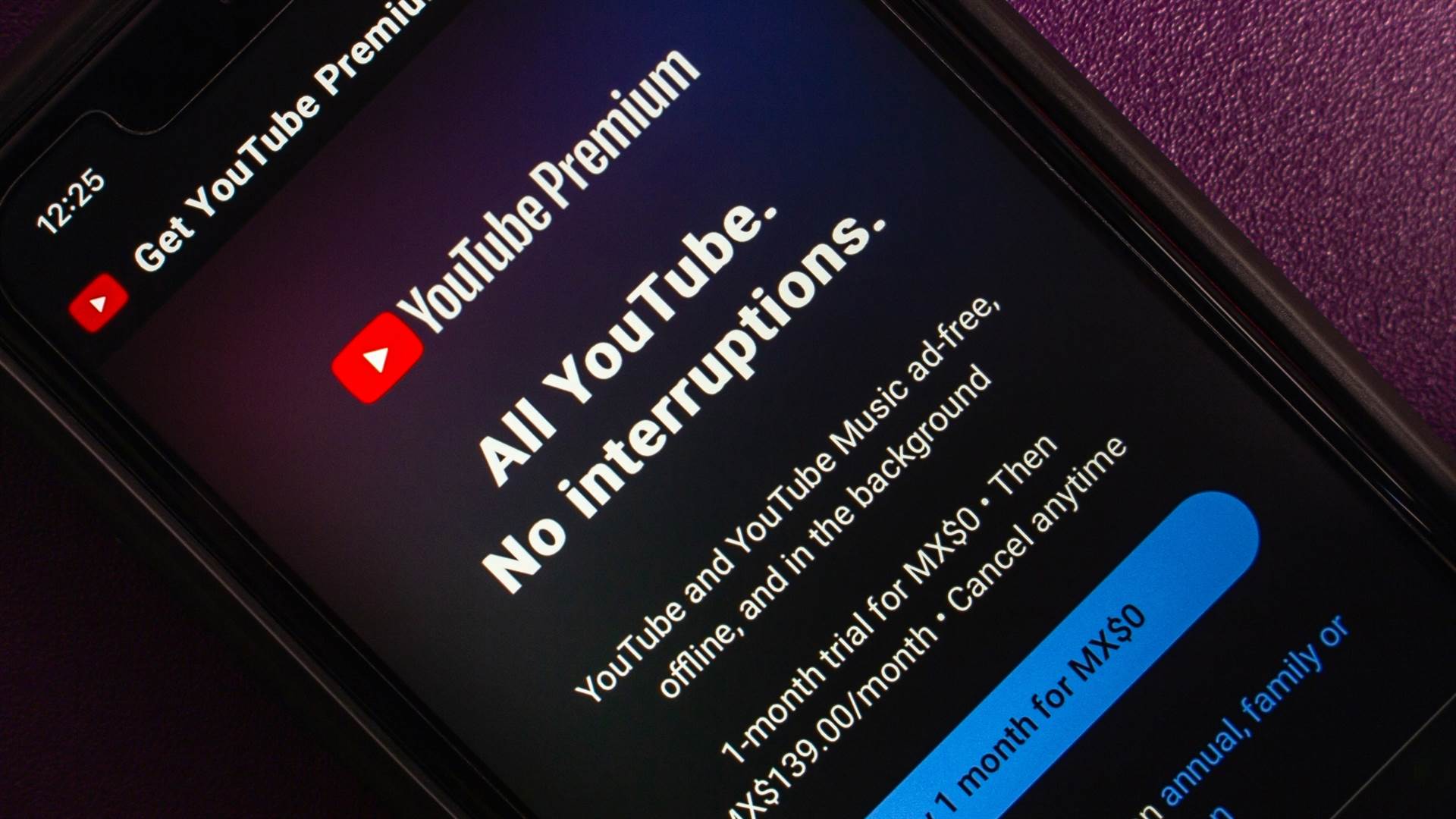
The core features of YouTube Premium remain unchanged. Subscribers can watch videos without ads, play content in the background while using other apps, and download videos for offline viewing. The subscription also includes access to YouTube Music Premium, which offers a catalog of more than 300 million tracks and positions the service as a direct competitor to other major music streaming platforms.
YouTube: This change allows us to maintain the features our members value most: ad-free viewing, background play, and a massive library of 300M+ tracks on YouTube Music.
YouTube also emphasized that subscription revenue plays an important role in supporting creators and artists across the platform. As more users move toward paid tiers, that revenue stream continues to grow in importance as part of the broader content ecosystem.
The increase comes at a time when subscription prices across the streaming industry continue to rise. Platforms like Netflix have introduced multiple price hikes in recent years, often widening the gap between ad-supported plans and higher-priced ad-free options.
At the same time, companies are experimenting with bundling strategies to retain subscribers and offer better perceived value. Comcast’s Xfinity StreamSaver bundle is one example, combining multiple ad-supported services into a single package aimed at cost-conscious viewers navigating an increasingly crowded streaming landscape.
As subscription costs continue to climb, YouTube’s latest move shows how even platforms built on free access are now part of the paid streaming economy. For subscribers, the question is simple: how much is ad-free viewing really worth now?
Tags: youtube premium, streaming prices, subscription services, youtube, streaming industry