Charline Bourgeois-Tacquet delivers one of Cannes 2026’s most emotionally restrained and deeply human competition premieres.
Among the large-scale premieres, celebrity-driven spectacles, and constant frenzy that traditionally define the Cannes Film Festival, A Woman’s Life (La Vie d’une Femme) arrived on the Croisette with a quieter but remarkably confident presence. Premiering in Competition on May 13, 2026, at the Grand Théâtre Lumière, the latest feature from Charline Bourgeois-Tacquet immediately positioned itself as one of the festival’s most intimate and emotionally mature films.
Competing for both the Palme d’Or and the Queer Palm, the French-Belgian comedy-drama generated strong curiosity among critics and festival attendees eager to discover how the filmmaker would evolve following the acclaimed success of Anaïs in Love. Rather than chasing provocation or stylistic excess, the film appeared determined to focus on something increasingly rare in contemporary cinema: the complexity of ordinary emotional life.
“A Woman’s Life proves Cannes still has room for deeply human storytelling.”
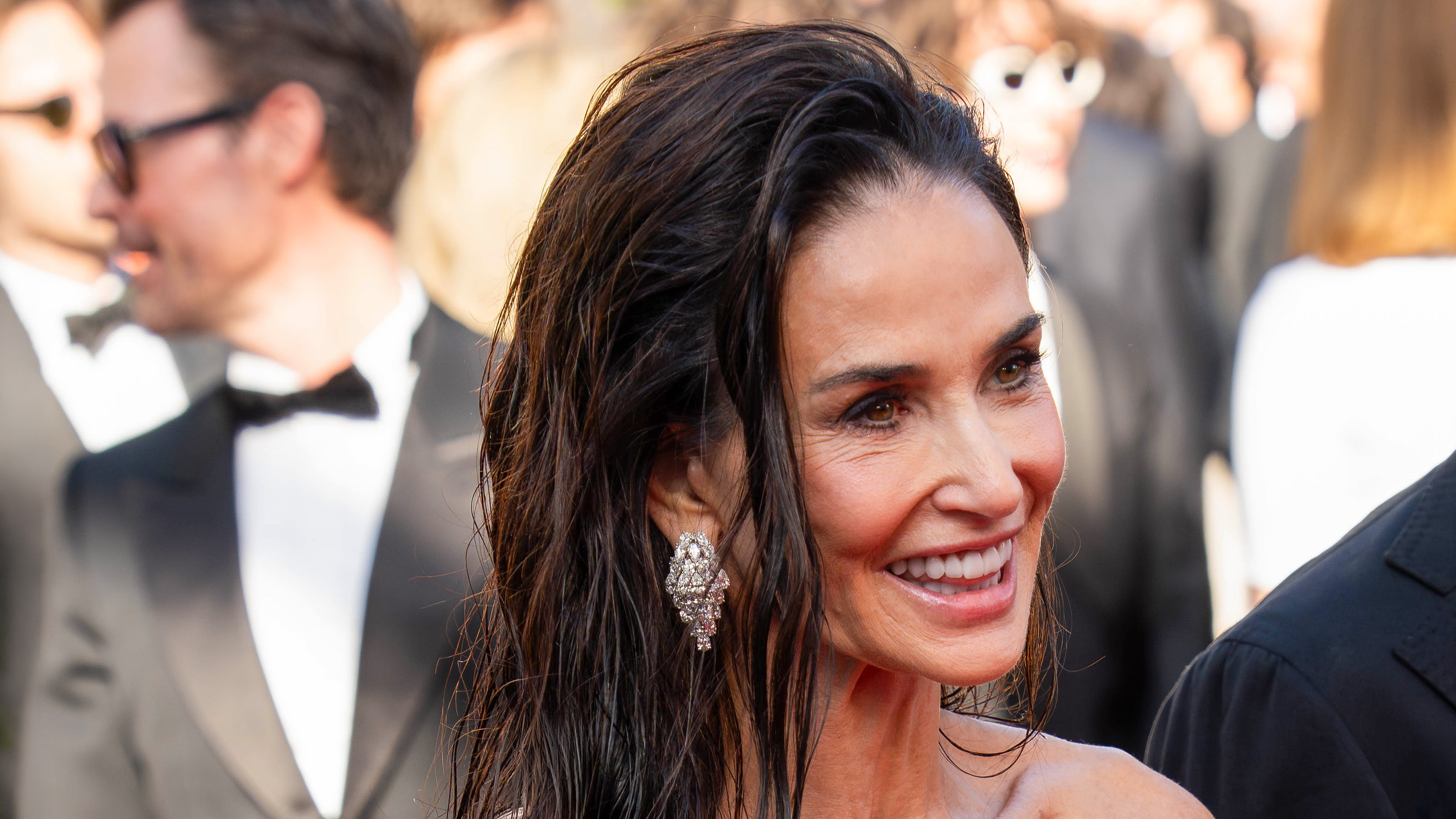
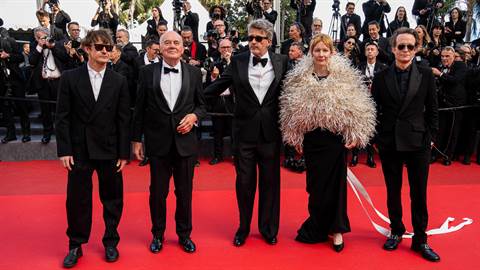
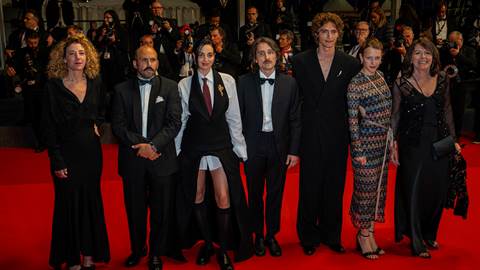
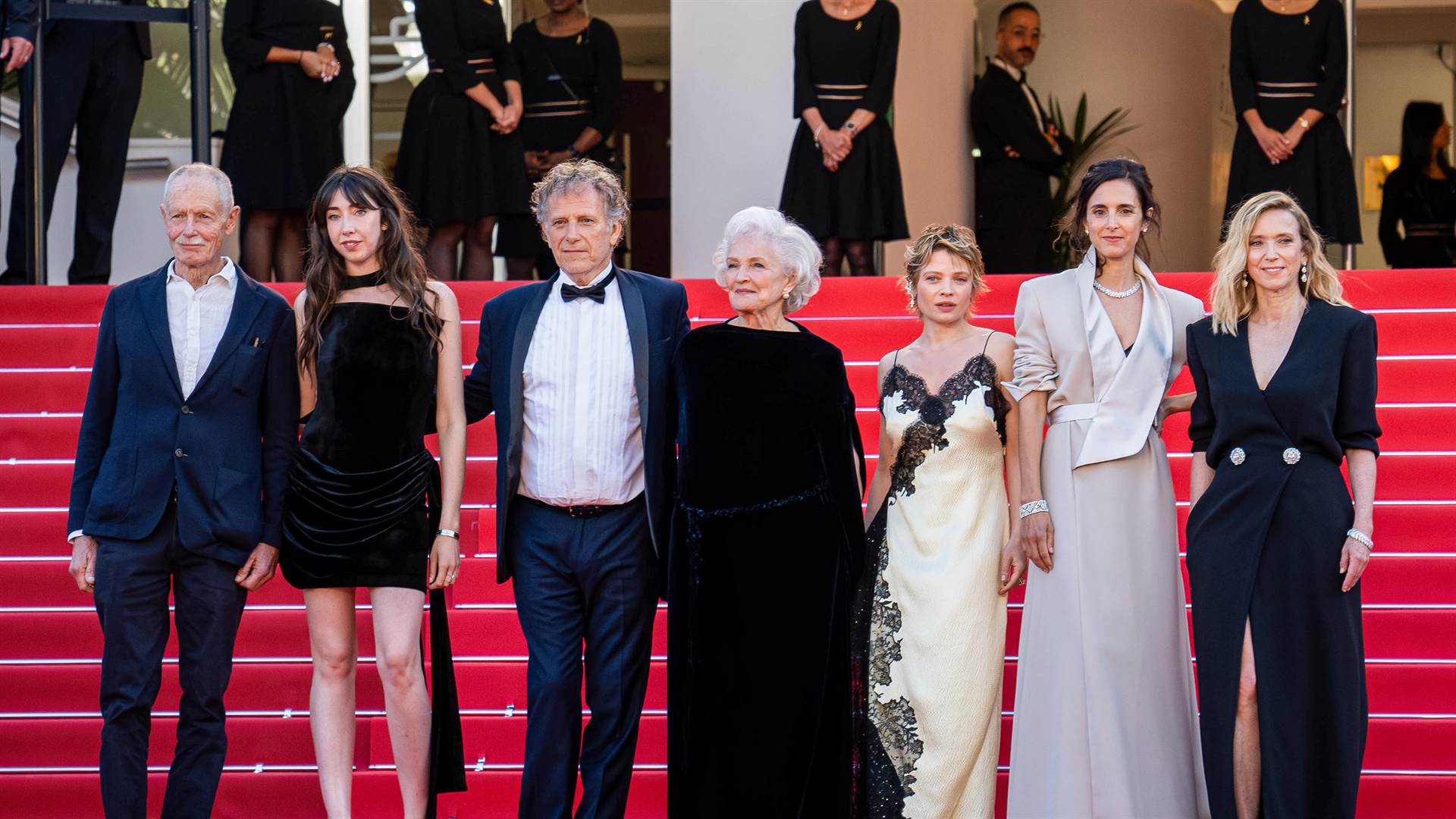
The atmosphere on the red carpet reflected that same understated elegance. Leading the cast was Léa Drucker, whose restrained presence perfectly matched the tone of the project itself, accompanied by Mélanie Thierry, Charles Berling, Marie-Christine Barrault, and celebrated Italian author Erri De Luca. Unlike some of the heavily orchestrated Cannes premieres built entirely around spectacle, the team behind A Woman’s Life projected an authentic warmth and closeness that many observers immediately noticed while the cast interacted with photographers, festival guests, and audience members gathered around the Palais.
There was a clear sense that the film’s emotional sincerity extended well beyond the screen itself, with Charline Bourgeois-Tacquet appearing visibly moved during several moments before ascending the famous staircase.
Co-written by Charline Bourgeois-Tacquet and Fanny Burdino, the film centers on Gabrielle, a 55-year-old surgeon and hospital department head whose existence has gradually become consumed by work, responsibility, and emotional duty. Played by Léa Drucker, Gabrielle navigates an exhausting daily routine that leaves little room for personal fulfillment, balancing professional pressure alongside family obligations and an increasingly fragile emotional equilibrium.
Her carefully controlled world begins to shift when a novelist arrives at the hospital to conduct research for a book, creating a subtle but profound disruption in the life she has spent years organizing around sacrifice and discipline. Rather than constructing its narrative around dramatic twists or exaggerated conflict, the film reportedly explores emotional exhaustion, aging, identity, and female autonomy with a level of restraint and realism that deeply resonated with many critics following the screening.
Behind the scenes, the production assembled several respected figures from contemporary French independent cinema. Produced by David Thion for Les Films Pelléas and co-produced by Versus Production, the film also benefits from the elegant cinematography of Noé Bach, whose visual approach reportedly contrasts the clinical realism of the hospital environment with softer and more intimate textures in Gabrielle’s personal life.
Filmed across Lyon and surrounding areas, including Villeurbanne and Chaponost, the project embraces recognizable everyday locations that reinforce its grounded social realism and emotional authenticity rather than relying on idealized cinematic imagery.
Early reactions coming out of the Grand Théâtre Lumière were particularly strong regarding Léa Drucker’s performance, with several critics already describing it as one of the standout female performances of the competition. Many praised the actress for conveying immense emotional complexity through subtle gestures and restrained expression rather than overt dramatic display.
Additional praise was directed toward the screenplay’s ability to navigate melancholy and understated humor without ever falling into sentimentality, while Marie-Christine Barrault’s supporting performance was repeatedly highlighted as one of the film’s emotional anchors.
In a festival environment often dominated by excess, controversy, and calculated provocation, A Woman’s Life (La Vie d’une Femme) appears to have distinguished itself through sincerity and emotional precision. With a running time of 98 minutes and a French theatrical release already scheduled for September 9, 2026, through Pyramide Distribution, the film has quickly established itself as one of Cannes 2026’s most talked-about human dramas.
Whether or not it ultimately leaves the festival with a major award, the premiere already confirmed Charline Bourgeois-Tacquet as one of the most compelling contemporary voices in French cinema, delivering a compassionate portrait of modern womanhood whose emotional resonance lingered long after audiences exited the Palais.
Tags: cannes film festival, cannes 2026, a woman’s life, la vie d’une femme, léa drucker