Penélope Cruz brought classic Cannes glamour to a Spanish competition drama shaped by memory, identity, and grief
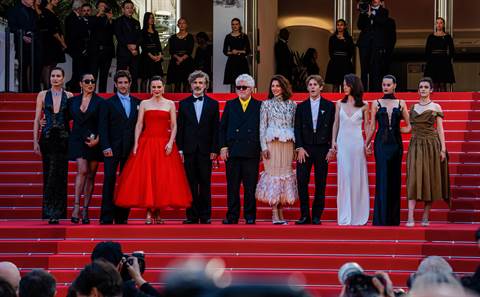
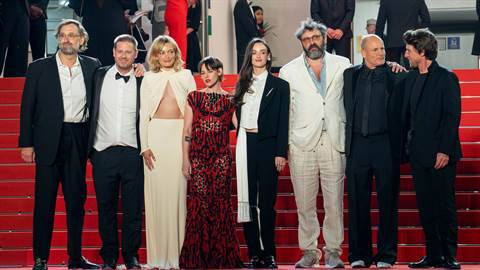
By late afternoon, photographers had already filled the area surrounding the Palais des Festivals as anticipation built for one of the festival’s biggest Spanish premieres. The arrival of La bola negra (The Black Ball) during the 79th edition of the Cannes Film Festival quickly transformed the Croisette into one of the evening’s busiest red-carpet events, drawing international press, festival attendees, and fashion photographers eager to see the latest film from directors Javier Calvo and Javier Ambrossi.
Mixing historical drama, queer identity, and literary influence, the film immediately positioned itself among the more emotionally ambitious competition titles screening this year at Cannes.
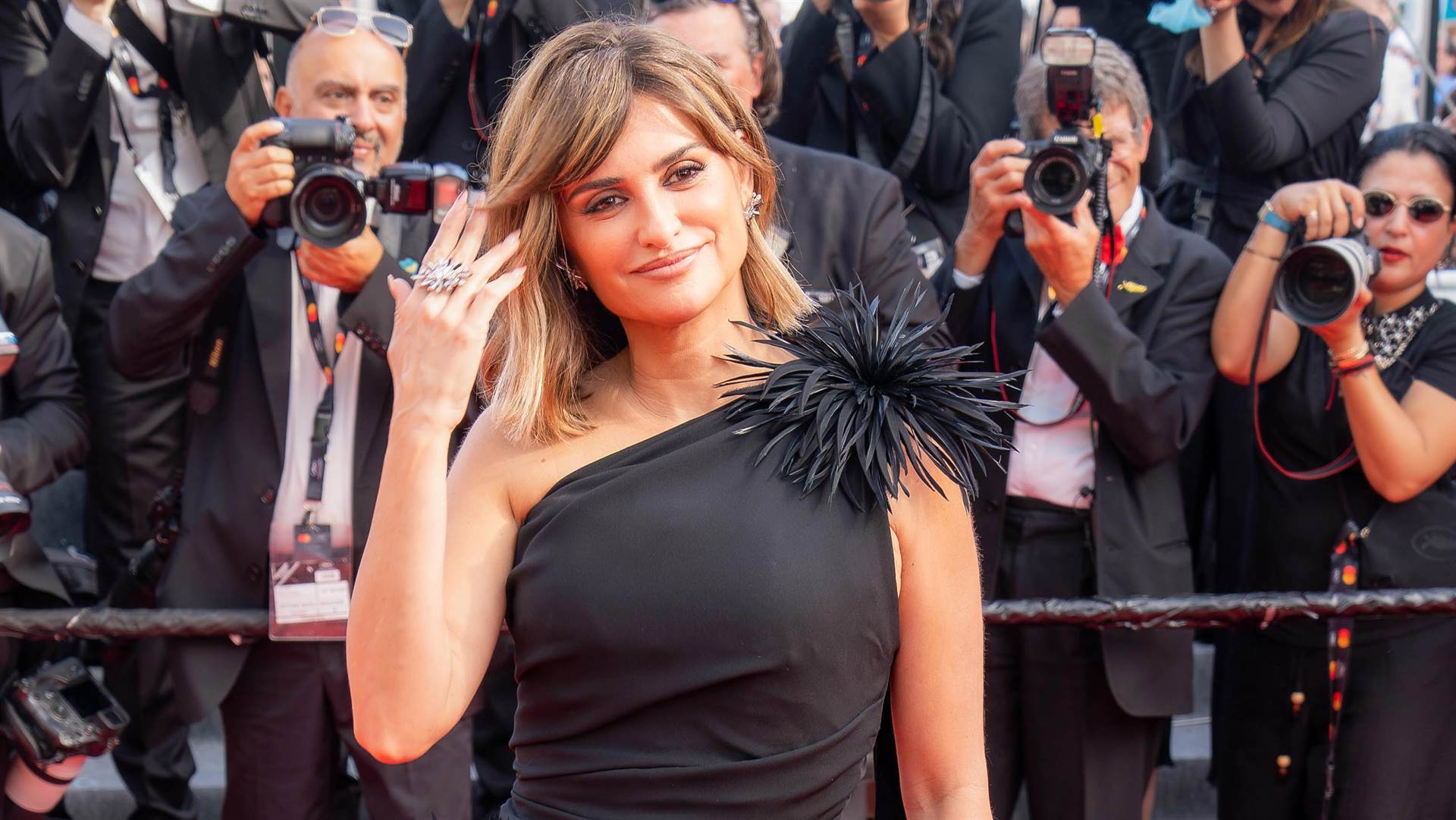
Still, the evening ultimately belonged to Penélope Cruz. Representing Chanel, the actress arrived in a dramatic asymmetrical black gown that instantly became one of the defining fashion moments of Cannes 2026. The sleek silhouette, accented with feathered detailing and a bold slit, balanced classic glamour with modern restraint while complementing the darker emotional tone surrounding the film itself.
Penélope Cruz turned The Black Ball premiere into one of Cannes 2026’s most elegant red-carpet moments.
Beyond the glamour of the premiere, The Black Ball arrives carrying considerable artistic and historical weight within modern Spanish cinema. Adapted from the unfinished writings of Federico García Lorca alongside thematic elements inspired by Alberto Conejero’s acclaimed stage work La piedra oscura, the film explores three interconnected timelines set in 1932, 1937, and 2017.
Across those periods, the story follows the emotional and political struggles of three gay men linked through memory, repression, and desire. Rather than presenting a straightforward historical drama, Calvo and Ambrossi appear far more interested in examining the emotional scars left behind by Spain’s Civil War and the generations of erased queer identities that followed.
Conversations throughout the Palais also focused on the film’s difficult production journey, which reportedly included filming across remote Spanish locations such as Granada, Sigüenza, and the abandoned village of Castil de Carrias. Despite those challenges, early critical reactions have praised the film’s emotional scale and visual craftsmanship, particularly the cinematography by Gris Jordana and the restrained score composed by Raül Refree.
Whether La Bola Negra ultimately becomes a serious Palme d’Or contender remains uncertain, but the premiere has already left a strong impression on critics and festival audiences alike. Combining historical reflection, intimate storytelling, and visual sophistication, The Black Ball feels less like a conventional awards-season drama and more like a deeply personal meditation on memory, identity, and artistic legacy.
Tags: penélope cruz, cannes 2026, the black ball, spanish cinema, pedro almodóvar