The AI-generated feature inspired by Iranian civilian resistance will make its world premiere during Tribeca’s 25th anniversary celebration.
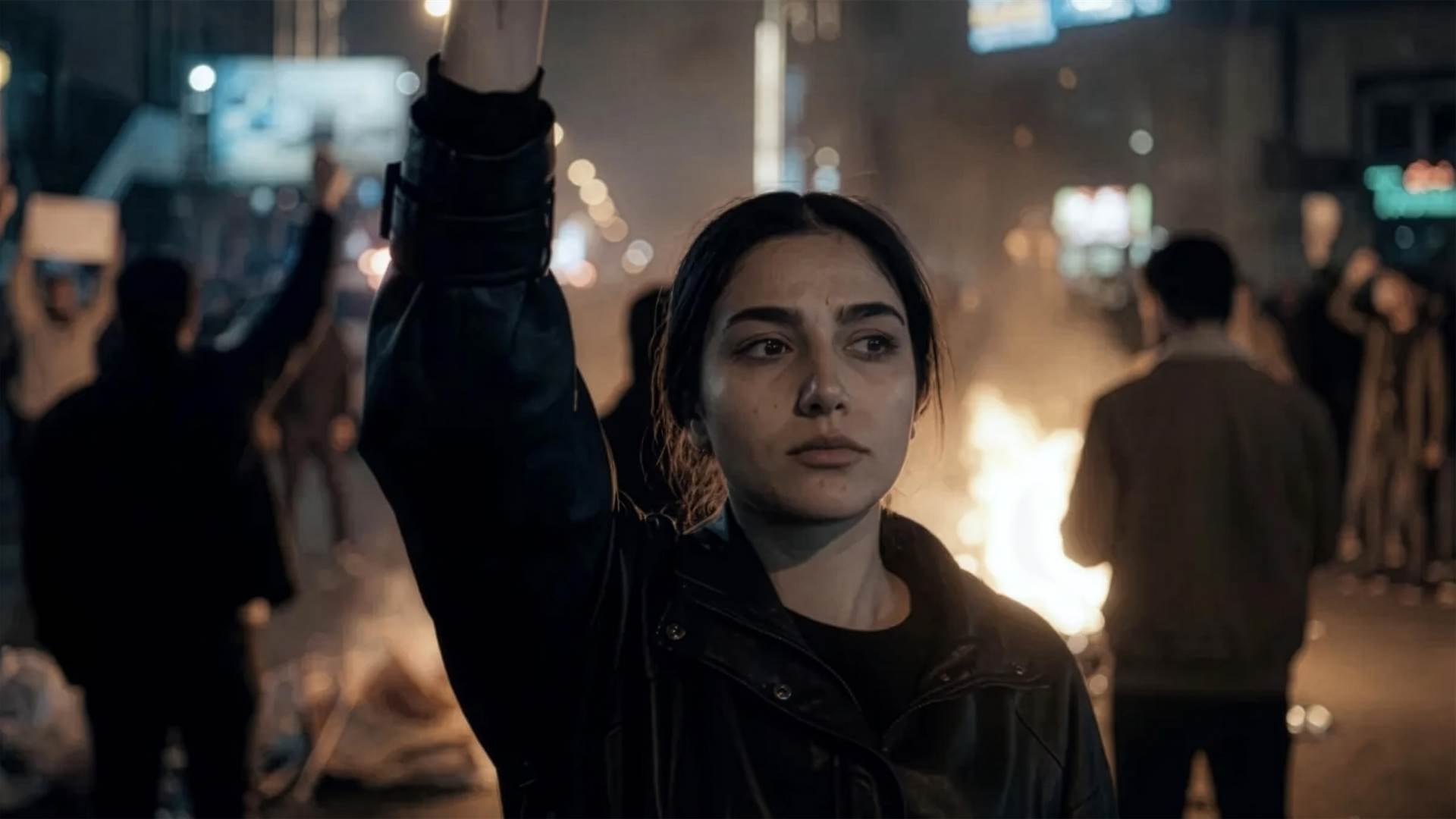
The 2026 Tribeca Festival is set to make history with the world premiere of Dreams of Violets, a fully AI-generated feature film from production studio Fountain 0 centered on Iranian civilian resistance.
Tribeca is bringing AI-generated filmmaking into the spotlight.
According to Fountain 0, the 75-minute docudrama is the first full-length live-action feature created entirely with artificial intelligence to be accepted into the official lineup of a major film festival. The film will debut on June 10 as part of Tribeca’s 25th anniversary celebration in New York City.
Directed by Tehran-born filmmaker Ash Koosha, Dreams of Violets was inspired by protests that erupted across Tehran earlier this year. The story follows five Iranians who gather in a Tehran alley shortly before their execution while a 10-year-old boy with cerebral palsy named Amir watches from a nearby window.
The film draws from real-world unrest between Iranian civilians and authorities that, according to the Human Rights Activists News Agency, resulted in at least 7,000 deaths and more than 50,000 arrests.
Tribeca co-founder Jane Rosenthal praised the project for both its emotional impact and technological significance.
“At this time in history when both artificial intelligence and Iran are central to global conversation, this film offers audiences a rare and intimate perspective into a conflict many have not been able to fully see or understand,” Rosenthal said. “What moved us was not just the technological achievement, but the emotional immediacy and urgency of the story itself.”
Koosha revealed that development on the film began after reading reports about the violence tied to the protests. Unable to access actors, a production crew, or even Iran itself, he turned to AI tools as a way to tell the story.
Fountain 0 said the feature was produced for approximately $2,000 and completed over three months from Koosha’s home in London. The production relied on a variety of AI technologies, including Kling AI for video generation, Anthropic’s Claude for editing assistance, Google’s Gemini and Nanobanana for research and imagery, along with Fountain 0’s proprietary tools for scene blocking and frame accuracy.
Koosha insists the film was never intended as a technological showcase.
“I understand that an AI-generated film about people who actually died raises difficult questions,” Koosha said. “I have thought about those questions for every minute of every day I have worked on this film.”
He added that the alternative to telling the story would have been silence and forgetting.
“The film exists because the dead deserve to be witnessed and because the families inside Iran, who cannot speak, deserve someone outside who refuses to forget.”
The premiere arrives as the entertainment industry continues debating the role of AI in filmmaking. Earlier this month, AI startup Higgsfield AI presented its 95-minute action-adventure film Hell Grind during the Marché du Film at the Cannes Film Festival. However, the project was not included in Cannes’ official competition lineup, and festival organizers continue to prohibit AI-generated films from competing.
The 2026 Tribeca Festival runs from June 3 through June 14 in New York City. This year’s jury lineup includes Nas, Mira Nair, Tommy Dorfman, Haley Lu Richardson, and New York magazine editor David Haskell.