Antonin Baudry transforms Charles de Gaulle’s wartime resistance into one of Cannes 2026’s most ambitious historical productions
Few projects at the 2026 Cannes Film Festival generated as much curiosity and debate as The Battle of Gaulle: The Iron Age, the opening chapter of an ambitious historical diptych directed by Antonin Baudry. Presented out of Competition ahead of its French theatrical release on June 3, the film arrived on the Croisette carrying enormous expectations, not only because of its reported €74 million budget, but also because of its willingness to tackle one of the most politically significant figures in modern French history: Charles de Gaulle.
Rather than constructing a conventional prestige biopic, Baudry approaches the material with a much larger cinematic scale, blending war drama, political tension, and deeply personal reflections on leadership during one of France’s darkest historical periods. Long before the screening began inside the Palais des Festivals, the film had already become one of the most discussed French productions of the festival.
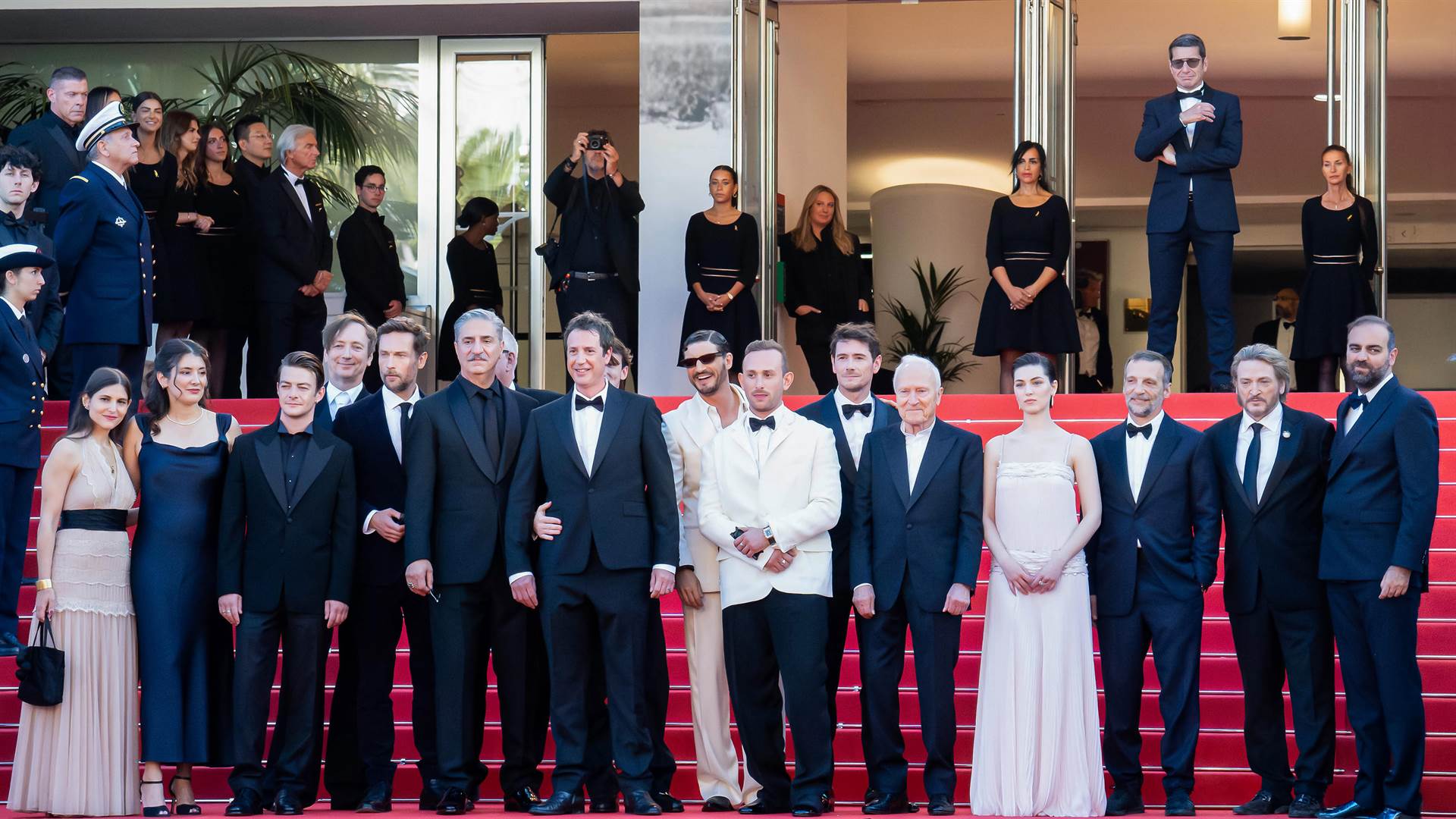
The Battle of Gaulle: The Iron Age brought sweeping historical ambition and political tension to the Cannes 2026 lineup.
The film focuses on the crucial years between 1940 and 1942, when France collapsed under German occupation and de Gaulle refused to accept surrender. Forced into exile in London, the future leader of the Free French movement attempts to rally allies while convincing a defeated nation that resistance remains possible.
What separates the film from more traditional wartime dramas is the way Baudry portrays de Gaulle not simply as a national symbol, but as an isolated and often stubborn figure constantly fighting against political realities that appear impossible to overcome. The screenplay, co-written with Bérénice Vila and inspired by historian Julian T. Jackson’s acclaimed work on de Gaulle, transforms familiar historical material into something far more intimate and emotionally driven.
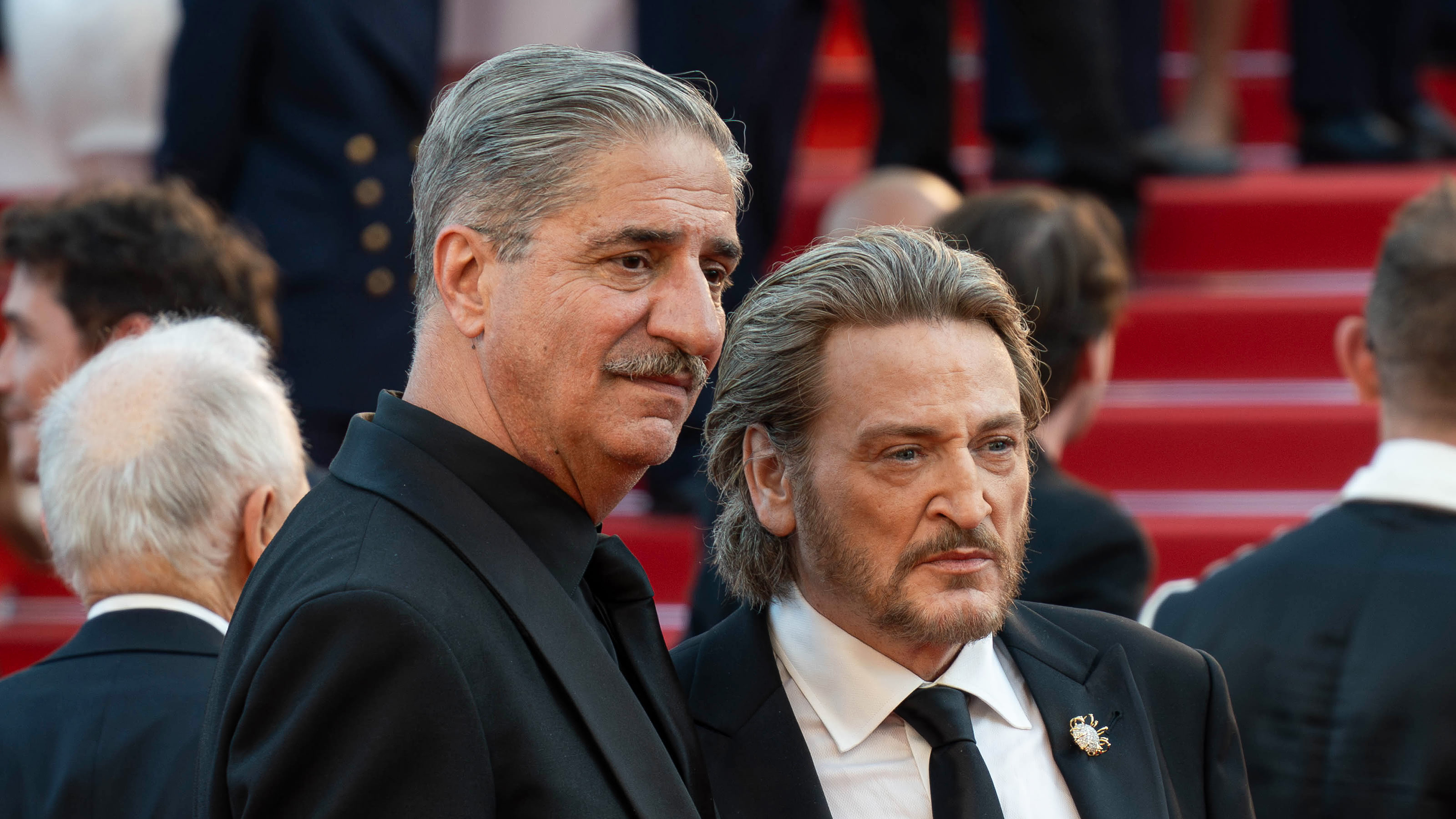
One of the production’s greatest strengths is Simon Abkarian’s performance in the lead role. Rather than relying on imitation, the actor delivers a carefully restrained interpretation that captures both the authority and vulnerability hidden behind the public image of de Gaulle. Through subtle physical transformation and extensive prosthetic work, Abkarian conveys the exhaustion, isolation, and uncertainty surrounding the wartime leader during the earliest years of the conflict.
His scenes opposite Simon Russell Beale as Winston Churchill are among the film’s strongest moments, presenting the wartime alliance almost as an uneasy partnership built on admiration, tension, and strategic disagreement. Campbell Scott also leaves a strong impression as Franklin D. Roosevelt, while Niels Schneider and Karim Leklou bring additional energy to the military side of the narrative.
Visually, The Battle of Gaulle: The Iron Age operates on a scale rarely attempted in modern French productions. Shot across Paris, Normandy, and Morocco, the film combines practical military staging with digital effects to create battle sequences that feel large without losing their grounded realism. Baudry clearly draws influence from classic international historical epics while still maintaining a distinctly European tone throughout the project.
Cinematographers Pierre Cottereau and Giora Bejach give the film a sharp visual identity that constantly shifts between intimate political conversations and large-scale wartime imagery. Meanwhile, composer Volker Bertelmann avoids excessive patriotic grandeur, instead favoring a more restrained and melancholic score that reinforces the emotional uncertainty surrounding the story.
What ultimately makes the film especially compelling is its willingness to embrace contradiction. Baudry never presents de Gaulle as a flawless hero. Instead, the story repeatedly highlights his rigidity, stubbornness, and the almost impossible weight of his mission during a moment when history itself appeared already decided.
At times, The Battle of Gaulle: The Iron Age feels less interested in celebrating military victory than examining the psychological cost of refusing defeat. That perspective gives the film a surprising contemporary relevance, particularly in its exploration of national identity, political alliances, and leadership during moments of global instability.
Whether audiences ultimately embrace the first chapter or remain divided by its scale and ambition, the film has already established itself as one of the most talked-about French productions of the year following its Cannes debut. With the second chapter, J’écris ton nom, already scheduled for release in July 2026, Antonin Baudry appears determined to create far more than a historical reconstruction.
By the end of its Cannes premiere, The Battle of Gaulle: The Iron Age felt less like a traditional biographical drama and more like an attempt to build a sweeping cinematic saga about resistance, conviction, and the impossible burden of leadership during wartime. On the Croisette, that ambition alone was enough to keep audiences talking long after the screening ended.
Tags: cannes 2026, charles de gaulle, antonin baudry, simon abkarian, french cinema